The Lone Jack Legacy
A Legacy of Gold in the High Desert
The Lone Jack sits in the Lost Basin Mining District of northwestern Arizona, a region first prospected in the late nineteenth century and worked intermittently ever since. Like every other mine in the district, the Lone Jack is a placer operation: gold freed from ancient quartz veins and concentrated in the desert gravels below.
Today the Lone Jack is worked as a hobby mine. This site exists to share what is genuinely known about the mine's history and geology, and to point fellow prospectors toward the books and equipment we actually use.
Geological Composition
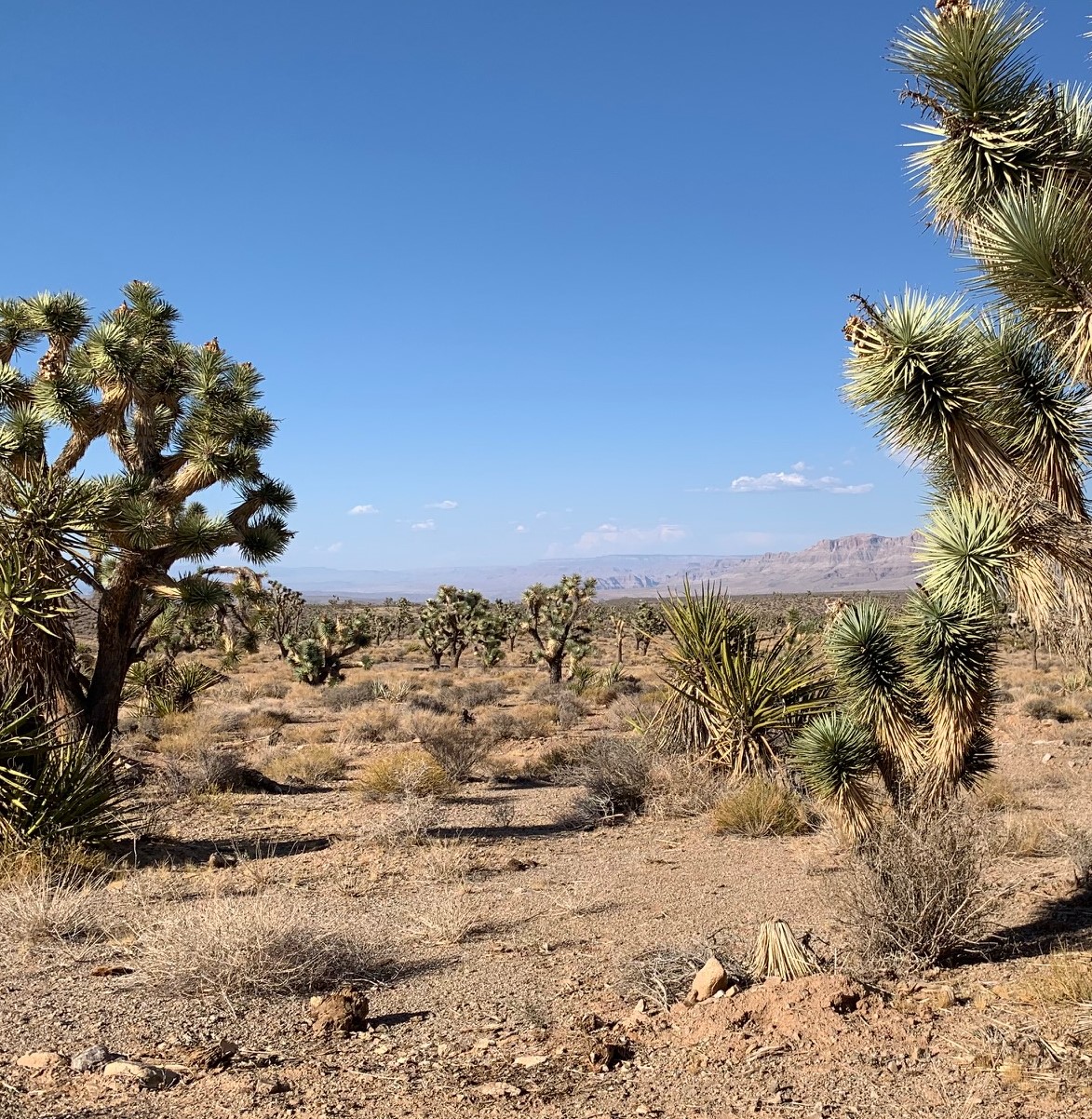
The Lone Jack claim lies in the Lost Basin Mining District, where gold eroded out of ancient quartz-veined granite and settled into the surrounding gravels. See USGS Professional Paper 1361 for the definitive survey of the Gold Basin–Lost Basin districts.
Quartz Veins
Gold in the district originated in small quartz veins and shear zones within Proterozoic basement rock, mapped in detail by the USGS.
Granite Host
Weathering broke down the granite host rock over millions of years, liberating gold and concentrating it in residual and stream gravels.
Placer Only
The Lone Jack is strictly a placer mine. There are no shafts or lode workings — all gold is recovered from surface gravels.
Prospecting Picks
Books, paydirt, and gear for the modern prospector.


Prospect Your Own Ground
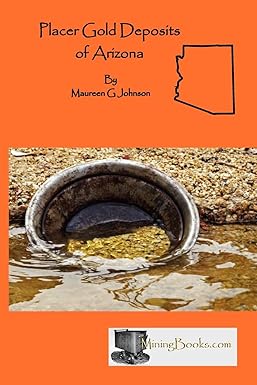
The Lone Jack itself is private ground and not open to visitors — but the prospecting lifestyle is open to everyone. Browse the books, paydirt, and equipment we recommend, and start finding gold on ground you're welcome on.